


Bernedoodle Coat Types Explained Clearly

If you are drawn to Bernedoodles for that soft teddy bear look, coat type is one of the first things to understand before you choose your puppy. Bernedoodle coat types explained in plain English can save families a lot of guesswork, especially if shedding, allergies, grooming, and that cuddly appearance all matter in your home.
The biggest surprise for many buyers is that not every Bernedoodle coat looks or behaves the same. Two puppies from the same breed mix can grow into very different coats. One may stay fluffier and looser with light shedding, while another develops a tighter curl that is more allergy-friendly but needs more consistent brushing and grooming.
That is why coat type should never be treated like a small detail. It affects how much hair you see on your furniture, how often you schedule grooming, how much daily maintenance you take on, and even the overall look your dog carries into adulthood.
Bernedoodle coat types explained by texture
Most Bernedoodles fall into three main coat categories: straight, wavy, and curly. Each has its own look, grooming needs, and level of shedding. None is automatically the best for every family. The right fit depends on your lifestyle, your preferences, and whether low shedding is a top priority.
Straight coats
A straight coat usually takes more after the Bernese Mountain Dog side. These coats often lie flatter along the body and may have a smoother appearance, sometimes with a slightly shaggy finish rather than a plush curl. Families who love a more natural, less styled look may find this coat very appealing.
The trade-off is shedding. Straight-coated Bernedoodles are usually more likely to shed than wavy or curly-coated ones. They are also often less predictable for allergy-sensitive homes. That does not mean every straight-coated dog sheds heavily, but if your goal is the lowest-shedding option possible, this is usually not the first coat type breeders recommend.
Grooming is often simpler in one sense because the coat tangles less than a curly coat, but you may notice more loose hair around the house. For some families, that is an easy trade. For others, especially indoor households wanting a cleaner coat profile, it is a deal breaker.
Wavy coats
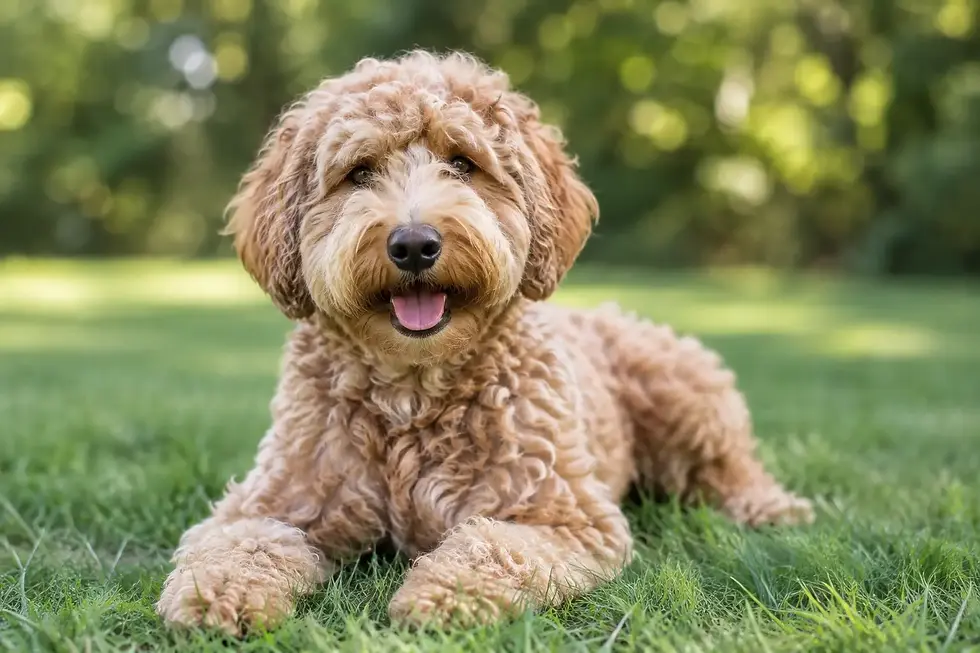
The wavy coat is often the sweet spot for many Bernedoodle families. It gives that popular teddy bear appearance without the tighter curl pattern of a very curly dog. The texture may range from loose, tousled waves to a more plush fleece coat that feels especially soft.
Wavy coats are commonly associated with lower shedding than straight coats, but they still need regular brushing. This coat type often appeals to families who want a balanced combination of softness, fluff, and easier upkeep. It is also a common favorite because it keeps that classic doodle look many buyers picture from the start.
If you want a companion dog that looks adorable in a puppy cut, has less shedding than a traditional double coat, and still feels manageable for first-time doodle owners, the wavy coat is often a strong fit.
Curly coats
Curly coats lean more heavily toward the Poodle side. These coats can be dense, plush, and very low shedding, which makes them especially attractive for allergy-conscious households. They often have the best reputation for being hypoallergenic, although no dog can honestly be promised as 100 percent hypoallergenic.
The trade-off here is maintenance. Curly coats need the most brushing and the most consistent grooming schedule. If they are neglected, they can mat close to the skin quickly. That is not just a cosmetic issue. Mats can become uncomfortable and lead to skin trouble if left alone.
For families willing to stay on top of coat care, curly Bernedoodles are often worth it. They tend to offer the lowest-shedding experience and that plush, cuddly doodle look many people love.
What coat type means for shedding and allergies
When families ask about Bernedoodles, they are often really asking two questions at once: Will this dog shed, and will this dog work for allergies?
The honest answer is that it depends on genetics, coat type, and the individual puppy. In general, straighter coats are more likely to shed, wavy coats are often lower shedding, and curly coats are usually the best choice for homes trying to minimize dander and loose hair. But there are no absolute guarantees with any mixed breed.
This is one reason F1b Bernedoodles are so popular. Because they are backcrossed toward the Poodle, they are often more likely to have curlier or wavier low-shedding coats than first-generation Bernedoodles. For families specifically looking for a companion dog with a softer, allergy-friendlier coat profile, that extra Poodle influence can make a real difference.
If allergies are a serious concern in your home, it helps to think in terms of better odds rather than promises. A breeder should be honest about that. Low shedding and more allergy-friendly are realistic goals. Perfectly allergy-proof is not.
Bernedoodle coat types explained for grooming needs
Coat type is not just about appearance. It shapes your routine.
A straight-coated Bernedoodle may need less detangling, but you may be vacuuming more often. A wavy-coated Bernedoodle usually needs a steady brushing routine to keep the coat fluffy and free from mats, especially behind the ears, around the collar area, under the legs, and around the tail. A curly-coated Bernedoodle needs the most brushing discipline and the most dependable professional grooming schedule.
For most doodle families, grooming every 6 to 8 weeks is a reasonable expectation, with brushing at home in between. If you prefer a longer coat, expect more maintenance. If you keep your Bernedoodle in a shorter puppy cut, upkeep becomes easier.
This is where lifestyle matters. Busy households can absolutely do well with a doodle, but they should go in with clear expectations. Low shedding does not mean low maintenance. In fact, the lower the shedding, the more often that coat needs your help because loose hair tends to stay trapped in the coat instead of falling out.
Why generation matters too
When people compare Bernedoodles, coat type and generation often overlap. An F1 Bernedoodle is a first-generation cross between a Bernese Mountain Dog and a Poodle. These puppies can have more variation in coat type, including straighter coats.
An F1b Bernedoodle is typically a Bernedoodle bred back to a Poodle. This pairing often increases the likelihood of a curlier, lower-shedding, more allergy-conscious coat. That is one reason so many families shopping for mini Bernedoodles focus on F1b puppies.
For buyers who want the doodle look with stronger odds of low shedding, F1b can be especially appealing. At Doodles4Love, this is a big reason our F1b Mini Bernedoodles are such a natural fit for modern homes, children, and indoor family life.
How to choose the right coat for your home
The best coat is not always the prettiest one in a photo. It is the one that fits the way you actually live.
If you want the easiest route for allergies and minimal shedding, a curlier coat is often the safest direction. If you love the teddy bear look and want a nice middle ground, wavy is often the favorite. If grooming simplicity matters more than shedding control, a straighter coat may work well, as long as you are comfortable with more loose hair.
It also helps to ask yourself what kind of dog owner you plan to be after the excitement of pickup day. Will you brush regularly? Will you stay on a grooming schedule? Are you okay paying for coat maintenance if that means less hair around the house? Those questions matter just as much as color and size.
A good breeder should help match your priorities with the puppy in front of you. That conversation is about more than looks. It is about making sure your puppy fits your family from day one through adulthood.
What families usually care about most
For most homes, the winning combination is simple. They want a sweet, family-friendly dog with a soft coat, low shedding, and a look that stays cute as the puppy grows. That is exactly why Bernedoodles remain such a loved choice.
Still, the right expectations make all the difference. A low-shedding coat usually means more grooming. A straighter coat may mean less brushing but more visible hair. And the fluffiest puppy today may look different once the adult coat comes in.
That is not a downside. It just means choosing a Bernedoodle is part heart and part practical planning. When you understand the coat in front of you, you are much more likely to feel confident in your decision and happy with your puppy long after the first cuddly photos are taken.
The best Bernedoodle coat is the one that fits your real life, not just your wishlist, and when those two line up, bringing your puppy home feels a whole lot easier.


Comments