

Essential Training Tips for Bernedoodle Puppies

Bringing home a Bernedoodle puppy is an exciting and joyful experience. These lovable, intelligent dogs quickly become cherished family members. However, to ensure a happy and well-behaved companion, early and consistent training is essential. I’ve spent a lot of time learning and practicing the best ways to train Bernedoodle puppies, and I’m excited to share these essential tips with you. Whether you’re a first-time dog owner or adding a new furry friend to your family, these insights will help you build a strong bond and set your puppy up for success.
Understanding Training Bernedoodle Puppies
Bernedoodles are a cross between Bernese Mountain Dogs and Poodles, combining the best traits of both breeds. They are known for their intelligence, affectionate nature, and playful spirit. These qualities make them highly trainable, but they also require patience and consistency.
When training Bernedoodle puppies, it’s important to start early. Puppies are like sponges, absorbing everything around them. The earlier you begin, the easier it will be to shape their behavior. Training should focus on basic commands, socialization, and house manners.
Here are some key points to keep in mind when training Bernedoodle puppies:
Consistency is key: Use the same commands and routines daily.
Positive reinforcement: Reward good behavior with treats, praise, or playtime.
Short sessions: Puppies have short attention spans, so keep training sessions brief but frequent.
Patience and kindness: Avoid punishment; instead, redirect unwanted behavior gently.
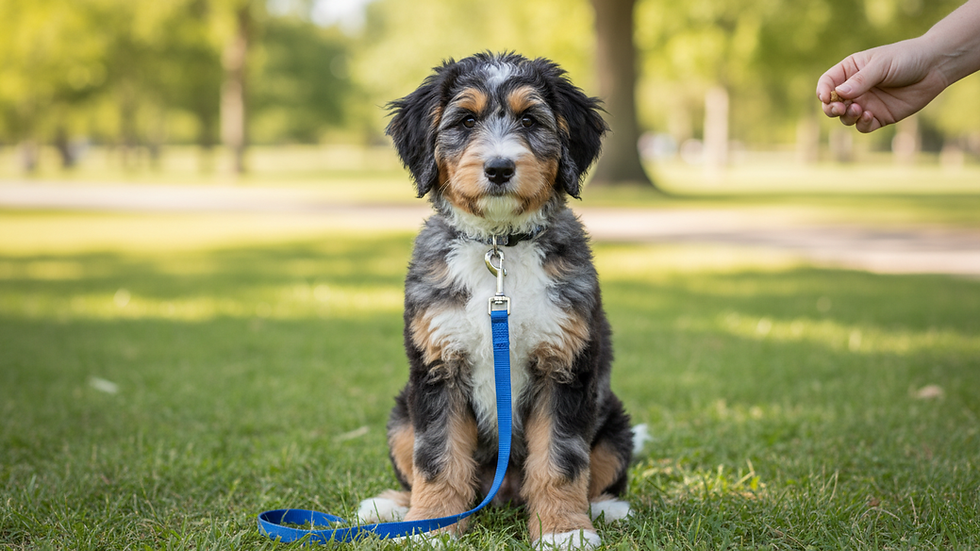
Practical Tips for Training Bernedoodle Puppies
Training a Bernedoodle puppy can be a rewarding journey when you follow practical, easy-to-implement strategies. Here are some of my favorite tips that have worked well:
1. Start with Basic Commands
Begin with simple commands like "sit," "stay," "come," and "down." These form the foundation for more advanced training. Use treats and enthusiastic praise to encourage your puppy. For example, when teaching "sit," hold a treat above their nose and slowly move it back over their head. As they sit, say "sit" and reward immediately.
2. Crate Training
Crate training helps with housebreaking and provides a safe space for your puppy. Introduce the crate as a positive place by placing toys and treats inside. Never use the crate as punishment. Gradually increase the time your puppy spends inside, making sure they feel comfortable and secure.
3. Socialization
Expose your Bernedoodle puppy to different people, animals, sounds, and environments. This helps prevent fearfulness and aggression later in life. Arrange playdates, visit parks, and take short car rides. Always supervise interactions and reward calm behavior.
4. House Training
Establish a consistent bathroom routine. Take your puppy outside frequently, especially after meals, naps, and playtime. Praise and reward them immediately after they eliminate outside. Accidents will happen, so clean them thoroughly to remove odors and avoid repeat incidents.
5. Avoid Overwhelming Your Puppy
Training should be fun and stress-free. If your puppy seems tired or distracted, end the session and try again later. Remember, short and positive sessions are more effective than long, frustrating ones.
If you want to dive deeper into effective methods, check out this helpful guide on how to train a Bernedoodle puppy.

What is the 7 7 7 Rule for Puppies?
The 7 7 7 rule is a simple guideline to help new puppy owners understand the critical stages of their puppy’s development. It refers to three key milestones:
7 weeks: This is when puppies typically leave their mother and littermates. It’s important to start socialization and basic training immediately.
7 months: Around this age, puppies reach adolescence. They may test boundaries and show increased energy. Consistent training and patience are crucial during this phase.
7 years: By this time, your dog is considered an adult. Training should continue to reinforce good behavior and mental stimulation.
Understanding these stages helps you tailor your training approach to your Bernedoodle’s needs at each phase. For example, during the first 7 weeks, focus on gentle socialization and exposure to new experiences. At 7 months, be prepared for some rebellious behavior and maintain firm but loving guidance.
Common Challenges and How to Overcome Them
Training any puppy comes with challenges, and Bernedoodles are no exception. Here are some common issues and practical solutions:
Chewing and Biting
Puppies explore the world with their mouths, so chewing is natural. Provide plenty of chew toys and redirect biting behavior to these toys. If your puppy bites during play, stop immediately and ignore them for a short time to teach that biting ends fun.
Separation Anxiety
Bernedoodles are social dogs and may struggle when left alone. Gradually increase alone time, starting with just a few minutes. Leave comforting items like a blanket or a toy. Avoid dramatic goodbyes and arrivals to reduce anxiety.
Excessive Barking
Barking can be a sign of boredom or anxiety. Ensure your puppy gets enough exercise and mental stimulation. Teach the "quiet" command by rewarding silence and redirecting attention when barking starts.
Pulling on the Leash
Use a front-clip harness and practice loose-leash walking. Stop walking when your puppy pulls and resume only when the leash is slack. Reward walking beside you to encourage good leash manners.
Building a Lifelong Bond Through Training
Training is not just about teaching commands; it’s about building a strong, trusting relationship with your Bernedoodle. Spend quality time together, engage in play, and celebrate small victories. Your puppy will thrive when they feel loved and understood.
Remember to be patient and flexible. Every puppy learns at their own pace. Celebrate progress, no matter how small, and keep training sessions positive and enjoyable.
By investing time and effort into training, you’re setting the stage for a happy, well-adjusted dog who will be a loyal companion for years to come.
Training your Bernedoodle puppy is a wonderful journey filled with learning and love. With the right approach, you’ll enjoy a harmonious relationship and a joyful home filled with wagging tails and happy memories. Keep these essential tips in mind, and your puppy will grow into a confident, well-mannered dog that brings endless happiness to your family.


Comments