


Puppy Vaccination Schedule for New Families

The first few months with a new puppy are full of sweet firsts: the first sleepy car ride home, the first successful potty break outside, and the first time they decide your favorite slipper is a toy. A clear puppy vaccination schedule helps protect those happy early days while your little companion’s immune system is still developing. It also gives your family a practical plan for vet visits, safe socialization, and knowing when your puppy is ready for bigger adventures.
Every puppy is an individual, and your veterinarian should confirm the timing that is right for your dog. Vaccine recommendations can vary based on your puppy’s age, prior vaccines, health history, local disease risk, and lifestyle. Still, the general schedule below gives new puppy families a confident place to start.
Your Puppy Vaccination Schedule at a Glance
Puppies receive a series of vaccines rather than one single appointment because antibodies received from their mother can interfere with early vaccines. Those maternal antibodies are helpful at first, but they fade at different times for different puppies. The booster series helps make sure your puppy has protection once those early antibodies are no longer doing the job.
Around 6 to 8 weeks: the first core vaccine
Many puppies receive their first DHPP vaccine at this age. DHPP is commonly called a distemper combination vaccine. It protects against canine distemper, adenovirus or hepatitis, parainfluenza, and parvovirus. Parvo is especially concerning for young puppies because it can spread easily and cause severe illness.
Reputable breeders often begin this first step before puppies go home, but always ask for the written vaccine record. Your veterinarian needs the product name, date given, and the age of your puppy at each visit to build an accurate plan. A verbal confirmation is reassuring, but documentation is what helps your vet avoid missed doses or unnecessary repeats.
Around 10 to 12 weeks: the first booster
The next DHPP booster is usually given two to four weeks after the first one. This visit is also a good time to talk through your home routine. If your puppy will be around children, visit groomers, attend puppy class, travel, or spend time at dog-friendly businesses, your vet may discuss optional vaccines that fit that lifestyle.
Your veterinarian may also recommend a fecal test and parasite prevention plan. Vaccines are one part of puppy wellness, but protecting a young dog from intestinal parasites, fleas, ticks, and heartworm matters just as much for a smooth start at home.
Around 14 to 16 weeks: final puppy boosters and rabies
Most puppies receive another DHPP booster at this stage. The timing matters because a final dose given at 16 weeks or older offers the best chance of lasting protection after maternal antibodies fade. Your veterinarian may adjust this timing if a prior vaccine was given later or if your puppy’s history is incomplete.
Rabies vaccination is commonly given between 12 and 16 weeks, depending on local laws and veterinary guidance. Rabies is a serious public health concern, so this vaccine is legally required in many places. Your vet will tell you when your puppy’s first rabies vaccine is due and when the next booster will be needed.
One year later: the booster visit
Your puppy’s vaccine plan does not end after the final puppy appointment. Most dogs need a DHPP booster and a rabies booster about one year after their initial series. After that, the timing may change based on the vaccine, state requirements, and your veterinarian’s recommendations.
Keeping that first adult booster appointment on the calendar is one of the simplest ways to protect the investment, care, and love you have already put into your new family member.
Core and lifestyle vaccines: what is the difference?
Core vaccines are recommended for nearly all dogs because they protect against serious diseases that can be widespread or life-threatening. For puppies, DHPP and rabies are the central pieces of the vaccination plan.
Lifestyle vaccines, sometimes called non-core vaccines, depend on where and how your puppy will live. Bordetella may be recommended for dogs that will board, visit grooming salons, attend daycare, or take group training classes. Leptospirosis may be recommended in areas with wildlife, standing water, or exposure to livestock and rodents. Canine influenza and Lyme vaccines can also make sense in certain regions or for dogs with frequent travel and outdoor exposure.
There is no prize for giving every available vaccine, and there is no benefit in skipping a vaccine your puppy truly needs. The right plan is based on real life. A quiet homebody in a low-risk area may need something different than an adventurous doodle joining daycare, hiking trails, and family road trips.
Safe socialization while your puppy is still getting shots
One of the biggest questions new families ask is whether they must keep a puppy indoors until every vaccine is complete. The balanced answer is no, but caution is necessary. Your puppy has a short, valuable socialization window, and positive exposure to people, sounds, surfaces, car rides, gentle handling, and everyday home life should not wait.
What should wait is contact with unknown dogs and places that may be contaminated with stool from unvaccinated or sick dogs. Avoid dog parks, pet store floors, communal apartment dog runs, and areas where many dogs eliminate until your veterinarian says your puppy is adequately protected.
Instead, carry your puppy through a busy outdoor market, let them watch the world from a clean blanket, invite healthy and fully vaccinated dogs you know to meet in a clean yard, and practice calm car rides. A well-run puppy class that requires vaccination records may also be appropriate before the full series is complete. Ask your veterinarian about the disease risk in your area before deciding.
What to bring to your puppy’s first vet visit
Schedule your puppy’s first veterinary visit soon after bringing them home, even if they appear healthy and have already started vaccines. Bring the breeder’s medical record, any deworming information, microchip details, and a list of questions about food, training, sleep, and behavior.
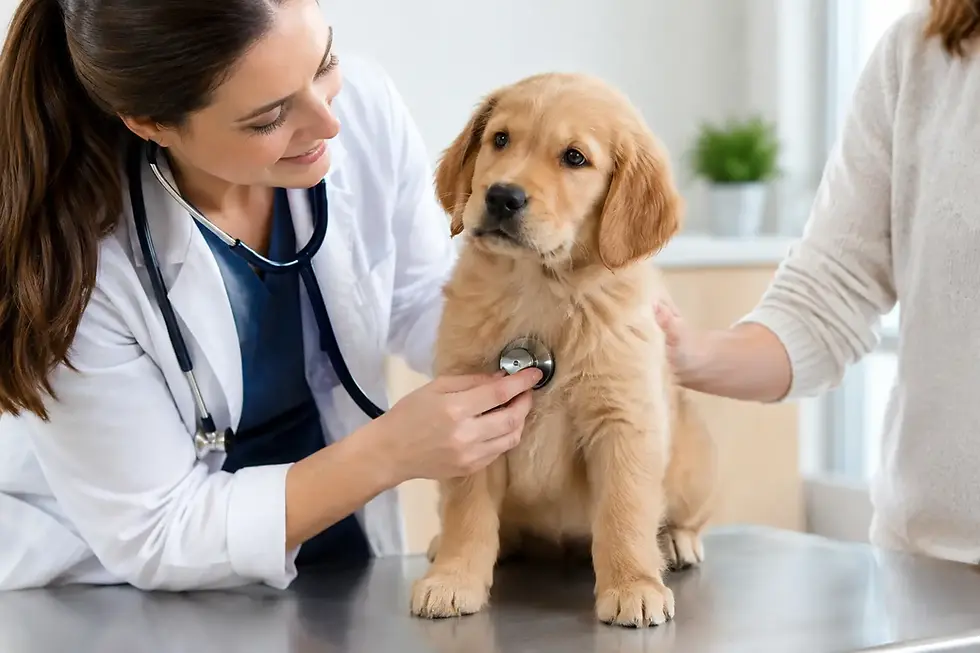
This appointment is also a chance to establish a relationship with a veterinary team before you need urgent help. Your vet can listen to your puppy’s heart and lungs, check their eyes and ears, assess growth, discuss spay or neuter timing, and make sure the vaccine series is properly spaced.
At Doodles4Love, puppies go home with age-appropriate vaccine records and early care already underway, helping families begin this next chapter with more clarity. Your own veterinarian remains the best partner for tailoring the remaining appointments to your puppy and your home.
Normal vaccine reactions and when to call the vet
Many puppies are a little sleepy, tender at the injection site, or less interested in a meal for a day after vaccination. These mild reactions often pass quickly with rest, fresh water, and a quiet evening at home.
Call your veterinarian promptly if your puppy has vomiting, diarrhea, facial swelling, hives, trouble breathing, collapse, severe lethargy, or a reaction that seems more intense than mild tiredness. Serious vaccine reactions are uncommon, but quick action matters. Never give human pain medication or allergy medicine unless your veterinarian specifically tells you what to use and how much.
Keep the schedule simple at home
Save every vaccine certificate in one folder, take a clear photo of each record, and add future appointments to your phone calendar before leaving the clinic. This is especially helpful for busy families and for anyone who may travel, use a groomer, enroll in training, or board their dog later on.
Your puppy does not need a perfect childhood. They need steady care, thoughtful exposure to the world, and adults who keep their health appointments as faithfully as they keep the treat jar stocked. With a veterinarian-guided vaccination plan and a little organization, your new teddy bear companion can spend more time doing what puppies do best: growing into the dog your family has been waiting for.


Comments