


10 Best Family Dogs for Allergy Sufferers

If you have kids asking for a puppy but someone in the house starts sneezing around dog hair, the search gets very specific very fast. The best family dogs for allergy sufferers are usually low-shedding, people-focused, easy to live with indoors, and gentle enough to become part of daily family life without adding constant stress.
That said, no dog is truly 100 percent hypoallergenic. Families deserve the honest version, not the salesy one. Allergies are usually triggered by dander, saliva, and skin proteins, not just fur, so the goal is often a lower-shedding dog with a coat type that tends to keep allergens more contained. For many households, that difference is big enough to make dog ownership realistic and enjoyable.
What makes a dog better for allergy-prone families?
When families ask about allergy-friendly dogs, coat type is usually the first thing they mean, and that makes sense. Curly, wavy, or hair-like coats often shed less into the home than a traditional double coat. Less loose hair floating around usually means easier cleanup, less dander spread across furniture, and fewer surprise flare-ups.
But family fit matters just as much as coat type. A dog can be low-shedding and still be a poor match if it is too intense for small children, too fragile for a busy home, or too difficult for first-time owners. The best choice usually balances temperament, size, energy level, grooming needs, and predictability.
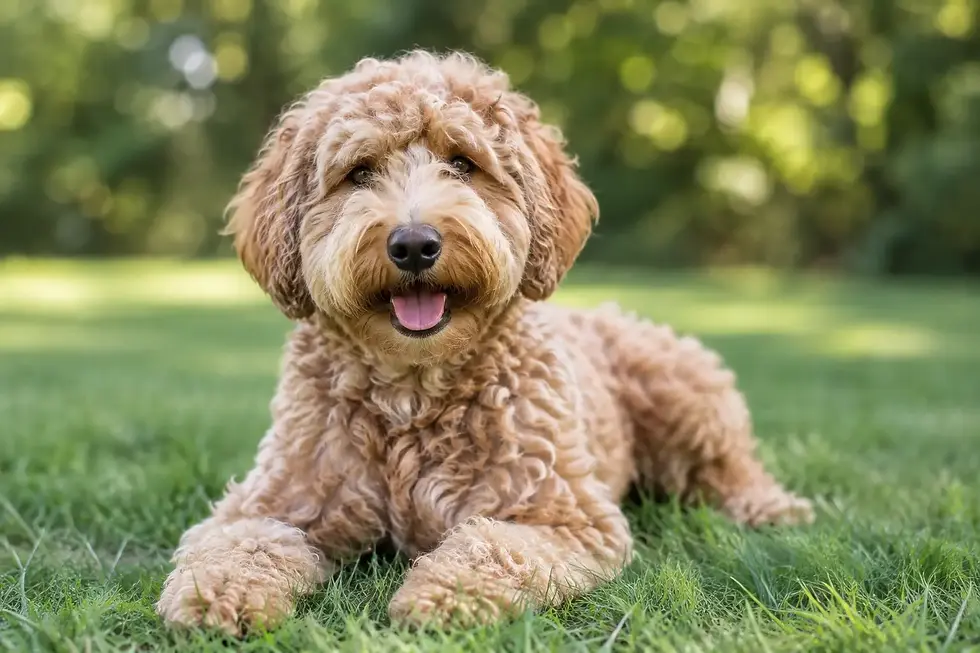
That is one reason doodle mixes are so popular with modern families. When bred carefully, they often combine the intelligence and lower-shedding coat potential of the Poodle with the softer, companion-minded personality of other family-loved breeds. It is not magic, and individual puppies can vary, but for many homes, this mix of traits hits the sweet spot.
Best family dogs for allergy sufferers to consider
Mini Bernedoodle
For many families, the Mini Bernedoodle is one of the easiest breeds to picture in real life. They tend to be affectionate, playful without being overwhelming, and small enough for everyday home life while still sturdy enough for children. Their teddy bear look is a big draw, but the bigger reason families fall in love is temperament.
An F1b Mini Bernedoodle is often especially appealing in allergy-conscious homes because the higher Poodle influence can improve the chances of a low-shedding coat. That does not mean every puppy will be identical, but it does make this cross one of the strongest options for households wanting a family-centered companion with a softer coat profile.
Standard Bernedoodle
If your family wants a larger dog with a calm, loving presence, a Standard Bernedoodle can be a beautiful fit. They usually bring more size, more cuddle factor, and that easygoing family energy people often love in Bernese lines, with the coat benefits that come from the Poodle side.
The trade-off is space and grooming. A bigger dog means more brushing, more bathing, and more room needed around the house and yard. But for families who want a larger companion and are prepared for coat care, they remain one of the most appealing low-shedding family options.
Mini Goldendoodle
Mini Goldendoodles are popular for good reason. They tend to be cheerful, highly social, and quick to bond with both adults and children. For first-time dog owners, they often feel approachable because they are eager to please and usually adapt well to active family routines.
The main thing to watch is energy. Many Mini Goldendoodles need regular play, daily walks, and mental stimulation to stay settled indoors. If your household wants a happy, trainable, allergy-friendlier companion and can give them engagement, this breed often checks a lot of boxes.
Cavapoo
Cavapoos are often a strong choice for smaller households, apartment living, or families who want a gentler, more compact companion. They are typically loving, people-oriented, and well suited to homes where the dog will be included in daily life rather than left alone for long stretches.
Because they are smaller, they can be easier to manage for families nervous about handling a bigger puppy. Still, they do best with steady companionship and consistent routines. If your dream dog is sweet, cuddly, and lower-shedding, a Cavapoo deserves a serious look.
Mini Sheepadoodle
Mini Sheepadoodles can be a great fit for families who want a little more personality and playful charm. They often have a fun, expressive nature and a soft, fluffy appearance that makes them instant favorites with kids.
They do need structure. These dogs are smart and can become mischievous if under-stimulated. But with early training and clear boundaries, they can be wonderful family companions for allergy-conscious homes that want a dog with both brains and heart.
Poodle
It would be impossible to talk about the best family dogs for allergy sufferers without mentioning the Poodle itself. Miniature and Standard Poodles are among the most established low-shedding options, and their intelligence is hard to beat.
For some families, a purebred Poodle is the right answer. For others, the look or temperament blend of a doodle feels more natural for their household. Either way, the Poodle is the foundation behind many allergy-friendly family dogs for a reason.
What families should know before choosing
Low-shedding does not mean low-maintenance. In fact, many of the dogs that work best for allergy sufferers need regular grooming to keep coats healthy and mat-free. That means brushing at home, routine professional grooming, and staying ahead of tangles around ears, legs, and collar areas.
This is where expectations matter. Some families are happy to trade a little more grooming for less shedding in the home. Others realize they would rather vacuum more often than commit to frequent coat care. Neither answer is wrong. The better choice is the one that actually fits your lifestyle.
Temperament should also come before appearance. A fluffy teddy bear face is wonderful, but what really shapes your everyday experience is whether the dog is stable, well-socialized, and suited for children, guests, noise, and normal family routines. Early handling, enrichment, and thoughtful breeding matter a lot here.
How to choose the right allergy-friendly family dog
Start with your real home life, not your ideal one. If you have young children, a busy schedule, and limited time for intense training, you may want a breed known for a gentler, more adaptable personality. If you are home often and enjoy active play, you can consider a more energetic option.
Next, think about size. Smaller dogs can be easier in tighter spaces and simpler for some families to manage. Larger dogs may be sturdier with kids and offer a calmer physical presence, but they also bring bigger grooming needs, food costs, and space demands.
Then be honest about allergies. If someone in your home has significant reactions, spend time around the breed type when possible and ask direct questions about coat expectations. The phrase hypoallergenic gets used loosely, but an experienced breeder should explain likely coat outcomes without overpromising.
That is one area where working with a hands-on, family-focused breeder makes a real difference. Puppies raised with daily handling, early sensory work, and a head start on crate and potty routines often transition more smoothly into family homes. At Doodles4Love, that early foundation matters because families are not just buying a cute puppy - they are looking for a companion who can settle into home life with confidence.
A quick word on doodles and predictability
Some families hear mixed opinions about doodles and wonder whether they are truly a good choice for allergies. The honest answer is that it depends on the breeder, the generation, and the individual puppy. Poorly bred doodles can be unpredictable in both coat and temperament.
But thoughtfully bred doodles, especially with health-tested parents and clear experience in producing companion dogs, can be an excellent fit for allergy-conscious homes. This is why many families specifically look for F1b pairings when they want stronger odds of a lower-shedding coat combined with family-friendly personality traits.
The best match is the one that fits your family every day
The right dog should feel lovable on the hard days, not just the exciting day you bring the puppy home. For allergy-prone families, that usually means choosing a dog with a lower-shedding coat, a manageable temperament, and a breeder who gives you clear expectations instead of vague promises.
A great family dog does more than avoid extra sneezing. It brings comfort, routine, laughter, and that steady companionship that makes a house feel more complete. When you choose carefully, you are not just finding a puppy that works for allergies - you are finding one that truly belongs with your family.


Comments