


Are Doodles Hypoallergenic? What Families Should Know

A cuddly doodle with a soft, teddy bear coat can be a wonderful fit for an allergy-conscious home, but families deserve a clear answer before bringing one home. Are doodles hypoallergenic? Doodles are often low-shedding and may be easier for some people with mild dog allergies to live with, but no dog is completely hypoallergenic.
That distinction matters. The right doodle can make day-to-day life more comfortable for many families, yet choosing based on a blanket promise of “allergy-free” can lead to disappointment. Coat type, genetics, grooming, and your own specific sensitivity all play a role.
Are Doodles Hypoallergenic or Just Low-Shedding?
People are not usually allergic to dog hair itself. Allergic reactions are triggered by proteins found in a dog’s dander, saliva, and urine. Hair can carry dander through the house, which is why dogs that shed less are often a better option for allergy-aware households. Less loose hair can mean less dander spreading onto furniture, clothing, floors, and bedding.
Doodles are crosses between a Poodle and another breed, such as a Bernese Mountain Dog, Golden Retriever, Cavalier King Charles Spaniel, or Old English Sheepdog. Poodles are known for their curly, low-shedding coats. When a doodle puppy inherits more of those Poodle-like coat qualities, it may shed very little and be more manageable for families with mild sensitivities.
Still, low shedding is not the same as allergen-free. Every dog produces dander and saliva. A doodle with a curlier coat may hold shed hair and dander more closely until grooming, while a straighter-coated doodle may release more hair around the home. Neither outcome can be promised solely by looking at the breed name.
Why Doodle Coats Vary So Much
The word “doodle” describes a mix, not one predictable coat. Even puppies in the same litter can have noticeably different textures, curl patterns, and shedding potential. This is why responsible breeders look beyond a cute puppy photo when helping families find the best match.
Generation Matters
A first-generation, or F1, Bernedoodle has one Bernese Mountain Dog parent and one Poodle parent. These puppies can have lovely wavy or curly coats, but their coat outcomes may vary more widely because the two parent breeds are so different.
An F1b Mini Bernedoodle is produced by breeding an F1 Bernedoodle back to a Poodle. Because this pairing has a higher percentage of Poodle genetics, F1b puppies often have curlier coats and a greater likelihood of being low-shedding. That is one reason they are a popular choice for families seeking a fluffy companion with reduced shedding around the home.
“More likely” is the honest phrase here. An F1b puppy can be an excellent choice for an allergy-conscious family, but it is still not a medical guarantee. If someone in the home has severe allergies or asthma, speak with their healthcare provider and spend meaningful time around dogs before making a commitment.
Curl, Texture, and Furnishings Matter
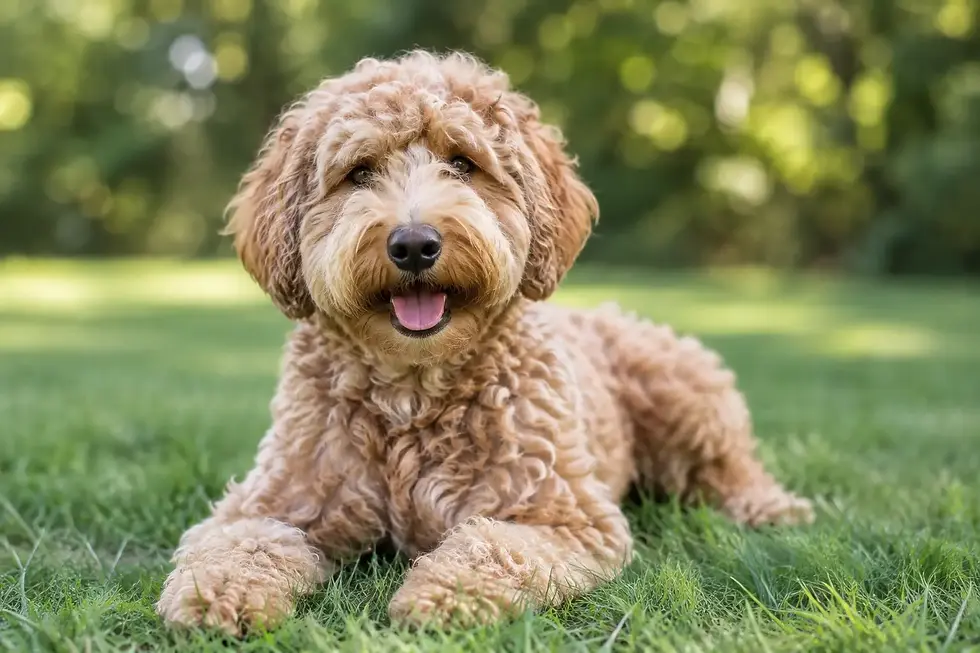
Doodle coats are often described as straight, wavy, curly, or fleece-like. While labels vary, curlier coats generally tend to shed less than straight coats. Puppies with strong facial furnishings, including the familiar fluffy beard and eyebrows, also often carry more Poodle-like coat traits.
A good breeder can discuss what they see in a puppy’s coat as it develops, along with the coat traits of the parents. They should not claim they can predict every detail with total certainty. Puppy coats can change as an adult coat comes in, usually during the first year or two.
The Trade-Off: Less Shedding Requires More Grooming
A low-shedding doodle coat has a major family-life benefit: you may spend less time vacuuming dog hair off the sofa and pulling it from your black pants. But that soft, plush coat needs regular care.
Curly and wavy doodle coats can mat if they are not brushed thoroughly. Mats are not merely cosmetic. They can pull at the skin, trap moisture, and make a dog uncomfortable. Most doodles need a full professional groom on a regular schedule, often every six to eight weeks depending on coat length, curl, lifestyle, and home maintenance.
At home, plan on brushing several times each week, with more frequent brushing for longer coats. Pay close attention behind the ears, under the collar or harness, around the legs, and anywhere friction occurs. A shorter teddy bear trim can be a practical, adorable option for busy families who want the doodle look with easier upkeep.
This is a worthwhile trade-off for many households, but it should be part of the puppy budget and routine from the beginning. A well-groomed coat helps keep your home cleaner and allows your doodle to stay comfortable, cuddly, and ready for family adventures.
How to See Whether a Doodle Fits Your Allergy Needs
The safest approach is to test your own response before bringing a puppy home. Do not rely only on a family member’s experience with another doodle. Allergies are individual, and one person may react very differently than another.
Spend time indoors with the specific type of doodle you are considering, ideally in a home-like setting rather than a quick outdoor visit. Hold and pet the dog, then avoid immediately touching your face. Notice how you feel over the next several hours, since symptoms may not always appear right away.
It also helps to be specific about what causes symptoms. Someone who reacts mostly to heavy shedding may do very well with a low-shedding F1b Mini Bernedoodle. Someone with a strong reaction to dog saliva or dander may still struggle, even with a curly-coated puppy. An allergist can help identify triggers and talk through sensible precautions for your household.
Simple Ways to Reduce Allergens at Home
Choosing a low-shedding doodle is one part of the plan. Consistent home habits can make an equally meaningful difference. Keep the dog off beds and upholstered furniture if allergies are a concern, especially in the beginning. Wash dog bedding regularly, vacuum with a HEPA-filter vacuum, and use a quality air purifier in bedrooms and shared living spaces.
Regular bathing and grooming can reduce the buildup of dander and outdoor debris in the coat. Ask your groomer about a schedule that supports your dog’s skin and coat without overbathing. Family members should wash their hands after close snuggles, particularly before rubbing their eyes or face.
These steps do not turn a dog into a hypoallergenic pet, but they can help create a more comfortable home. They are also useful for households that simply want less dust, less loose hair, and a cleaner indoor routine.
Choosing a Doodle Puppy With Confidence
When families ask whether a doodle will be hypoallergenic, the best answer starts with honesty and continues with thoughtful matching. Look for a breeder who discusses shedding likelihood without overpromising, shares information about the parent dogs, and helps you understand the grooming commitment attached to a low-shedding coat.
Temperament and early care matter, too. The puppy that fits your family should be more than a pretty coat. A confident, well-socialized companion with a solid early foundation can make the transition into family life much easier. At Doodles4Love, puppies are raised with daily handling and early training foundations so families can focus on building the relationship that matters most.
For many allergy-conscious homes, a low-shedding doodle can be a deeply rewarding choice. Meet the dogs when possible, ask direct questions, prepare for grooming, and choose the puppy whose coat and personality fit the life you want to share together.


Comments